
The Latest
From Habitat
Let’s build a zoning code that works for all
We've been talking about zoning a lot lately!
Zoning isn't particularly flashy. It's hard to see. But it affects every part of our community. From our perspective, an update to our zoning code is critical to build a La Crosse that offers affordable and accessible housing options.
So let's dive in:
What is zoning?
- A set of rules and regulations that govern where you can build, what you can build, and what you can do with what you build. Zoning code separates industrial, commercial, and residential uses. It also affects lot size, building height, signage, landscaping, and parking.
- “Zoning affects the fabric of our day-to-day lives, including structures, streets, parks, parking, landscaping, gathering spaces, and more. This affects how our neighborhoods look, where businesses operate, and even how we get around.” Source: Forward La Crosse
A brief history of zoning in La Crosse
From the 1930s through the late 1980s, a series of zoning code rewrites occurred. Throughout that time, a bigger and bigger proportion of land in the city was reserved for single family housing only. With each zoning rewrite, the minimum lot size for a new home grew. Today, to build a new home, you'd have to build on a lot size of 7,200 square feet, whereas homes built before the 1930s often were placed on lots under 5,000 square feet.
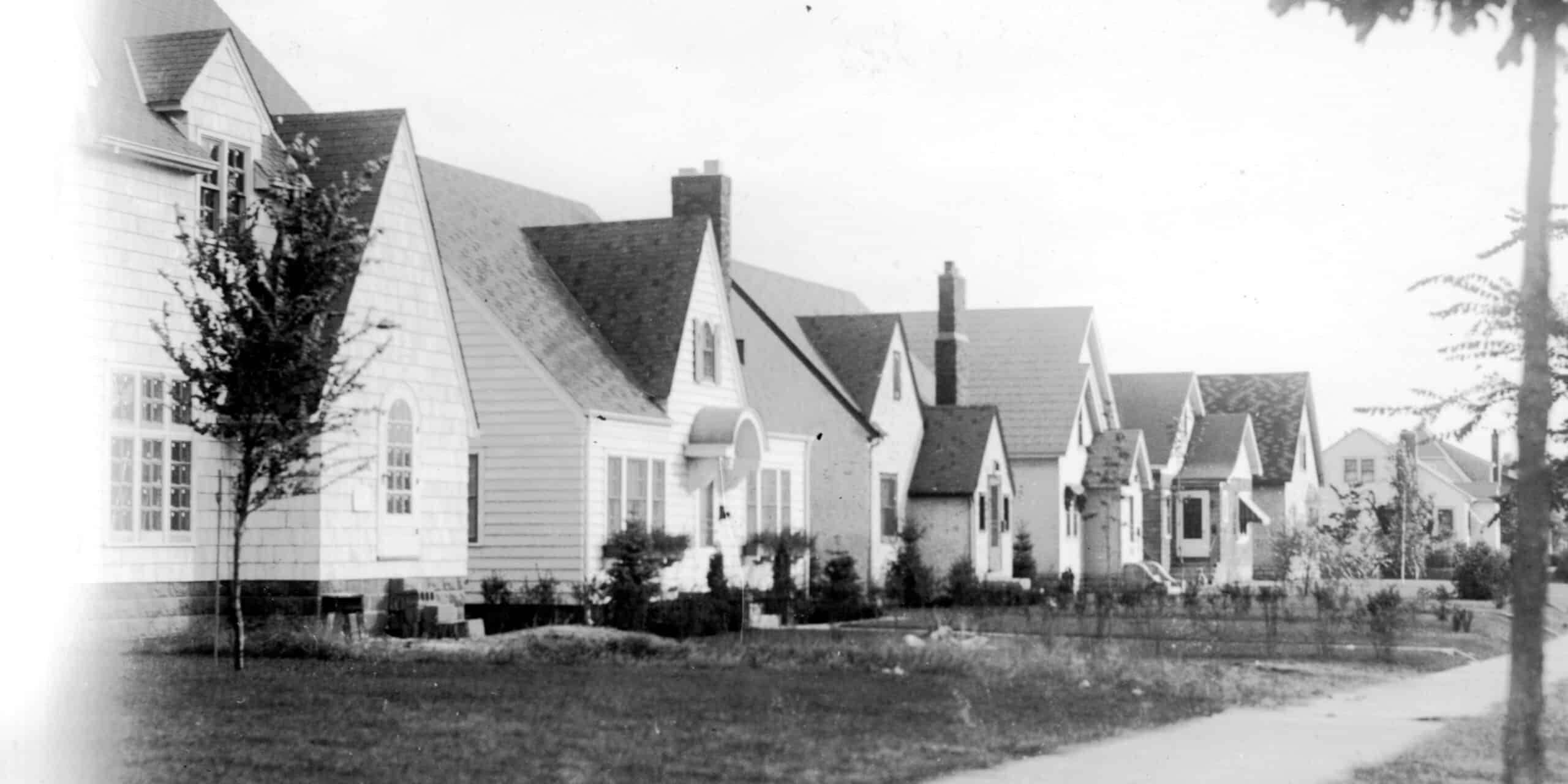 By the late 1990s, single family zoning dominated residential areas, largely in response to “encroachment” of rentals and community fears of crime and lowered property values that are perceived to accompany rental units.
Today, R1 (single family only) zoning composes the second highest percentage of land use in the city at 19%, topped only by Conservancy at 22.9%. All other residential uses total 4.5% of land use.
Zoning and housing
La Crosse doesn’t have enough homes for the number of people who want to live here.
The 2024 La Crosse Housing Study noted we need to build at least 200 units every year through 2030 to meet current demand.
Without enough housing, available units get more expensive. If our zoning code gets updated to make it easier to build and allow more units per lot, we can meet housing needs and drive down costs.
The zoning code update will allow for more diverse housing options, allowing people a chance to find affordable housing in neighborhoods of their choice.
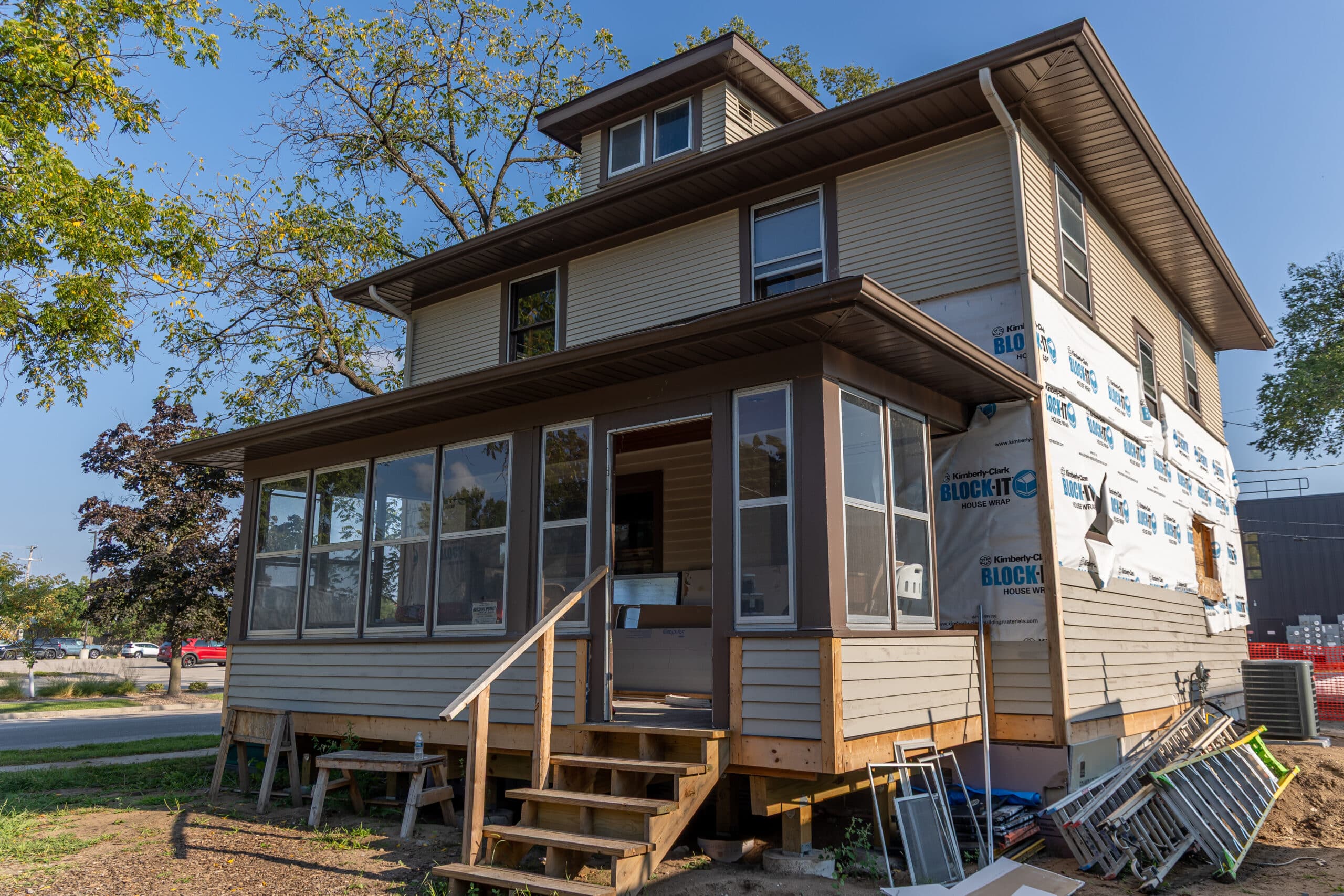
Concerned about your home's rising property taxes? An updated zoning code could speed up new development and generate new tax revenue.
The city collects a fixed amount of property tax revenue, determined by the state. When we build new properties, the fixed amount of revenue is spread across a larger total value, and each property owner pays a smaller share.
Common questions
Won't this effectively end single-family housing?
- Proposed zoning updates will actually make it easier to build single-detached housing. For a developer like Habitat, we have to navigate an outdated and complex zoning code every time we build a new home in the City of La Crosse.
- The new code's lot size and setbacks will reflect earlier eras of La Crosse's history, supporting modest-sized, affordable homes that our primary audience--first time, low-income households--are looking for.
Will this lead to a lot more apartment buildings?
- Zoning code updates will not cause large-scale apartment buildings to pop up anywhere in the city. Height, design, landscaping, and other features will continue to be regulated.
- City-wide, lots of people want more apartments. We need more apartments of all sizes and all price options to support the roughly 50% of our neighbors who rent. Apartment-seekers include young professionals, empty-nesters or older residents who don’t want to own homes anymore, recent graduates starting their careers, low-income individuals and families, people who have experienced homelessness and need permanent shelter, and people who don’t want to buy a house.
- New apartment buildings can also potentially reduce demand from investors to convert single-detached homes into rental units.
Is there really a housing crisis?
- Not everyone can feel the effects of the housing crisis, but that doesn’t mean it doesn’t exist. Between 1999 and 2020, home values increased 215% and rents increased 210%, while median salary increased 118% and minimum wage increased only 41%.
- La Crosse needs over 200 units to be built every year to meet current demand.
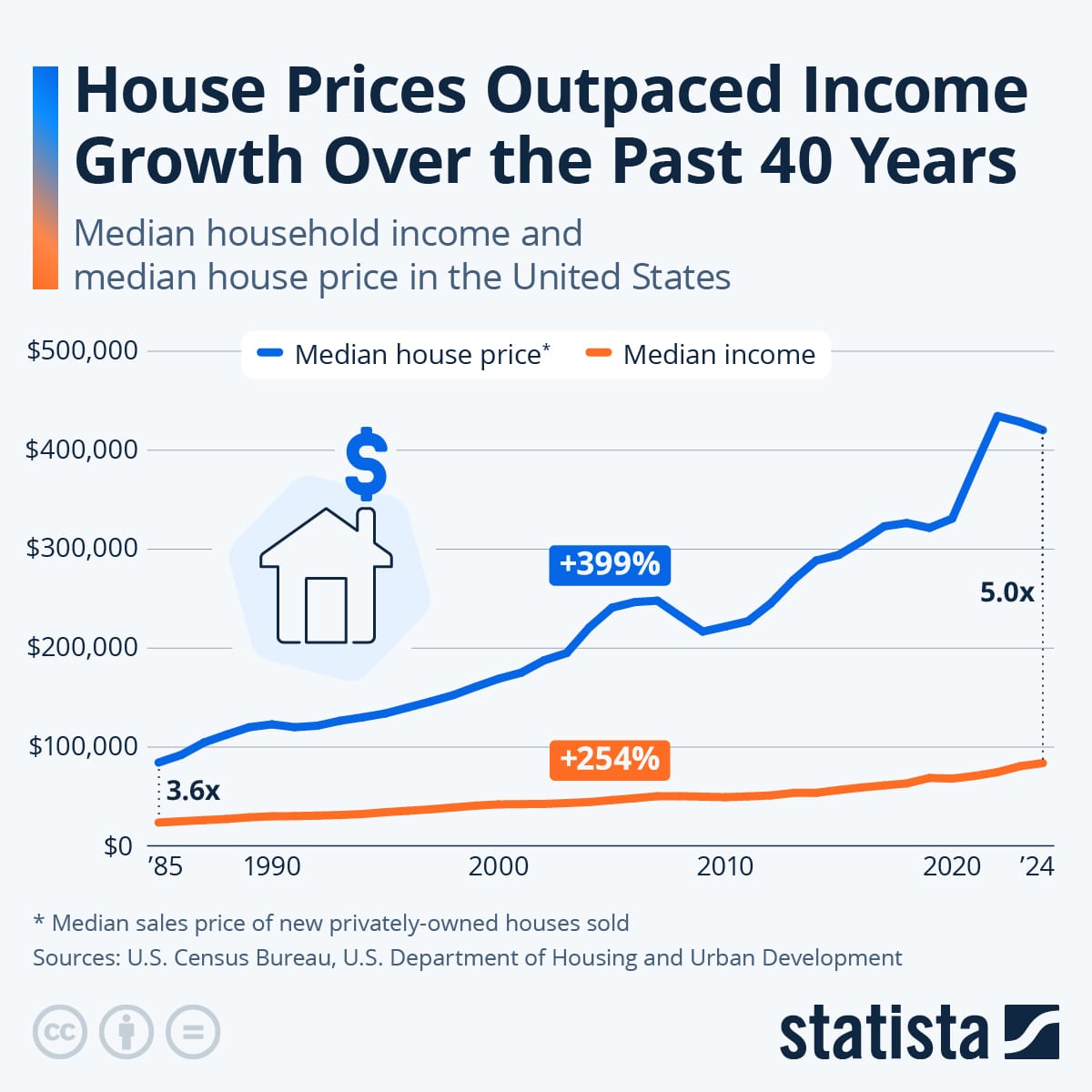
Why do we need more housing if our population is staying the same?
- La Crosse’s population has hovered around 50,000 residents since 1970. In that same time, average household size decreased from about 3.2 people to 2.1 people per home. So, we need more housing units for roughly the same number of total people.
- This tracks with local demographic and economic trends: more couples are waiting longer to have kids or are choosing not to, local employers are actively recruiting young professionals, and families with kids are moving to the suburbs where greater housing options exist.
So what next?
In September and October 2026, the Forward La Crosse team is hosting neighborhood meetings to provide updates on the new zoning code and field questions.
 5th Ward Community Room American Legion Post #52 First Congregational Church La Crosse Fire Station No. 4 Moose Lodge
Make your voice heard. Support Habitat by advocating for zoning reform.
The La Crosse City Council needs to hear from you! Let them know what you think about zoning reform: that you support making it easier to build homes, support local businesses, and grow our tax base.
Partner Family
Stories
Darshida has been working to become a homeowner for years. She is a passionate nurse, a dedicated mother to four boys, and a longtime La Crosse resident. After years of hard work and unforeseen obstacles, Darshida and her family moved into their new home in spring 2023.